How 5G Is Changing the Mobile App Ecosystem
The rollout of 5G networks marks a major turning point in mobile connectivity—and the implications for mobile apps are huge. With dramatically higher speeds, ultra‑low latency, and the ability to support massive numbers of connected devices, 5G is unlocking new possibilities for app experiences, business models, and developer strategies. (GeeksforGeeks)
In this blog, we’ll explore how 5G is transforming the mobile app landscape: what’s possible now, where things are headed, and what developers and product teams should keep in mind.
Key Features of 5G That Matter for Apps
Before diving into the app use‑cases, it’s useful to recap the main capabilities of 5G that change the game for mobile applications:
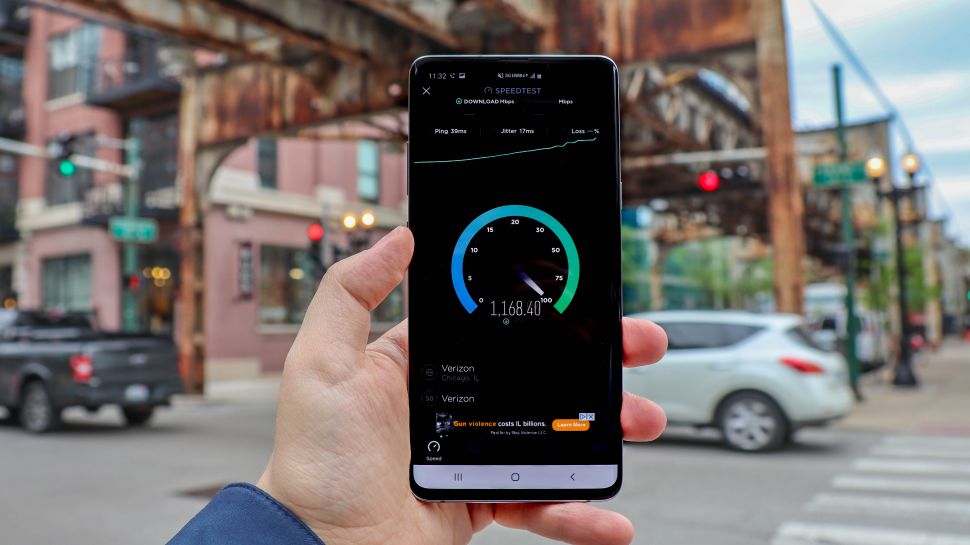
- Much higher data speeds: 5G can deliver data rates up to 10 Gbps (or higher) in ideal conditions—dramatically faster than 4G. (GeeksforGeeks)
- Ultra‑low latency: Delay between sending and receiving data can drop to 1 millisecond or so in ideal 5G settings, enabling real‑time interactions. (Syngrid)
- Massive device connectivity: 5G can support up to 1 million devices per square kilometre, enabling dense IoT deployments. (Business of Apps)
- Improved reliability & network slicing: 5G networks offer greater consistency, create virtual “slices” of network resources for specific use‑cases, and enable new service models. (The Verge)
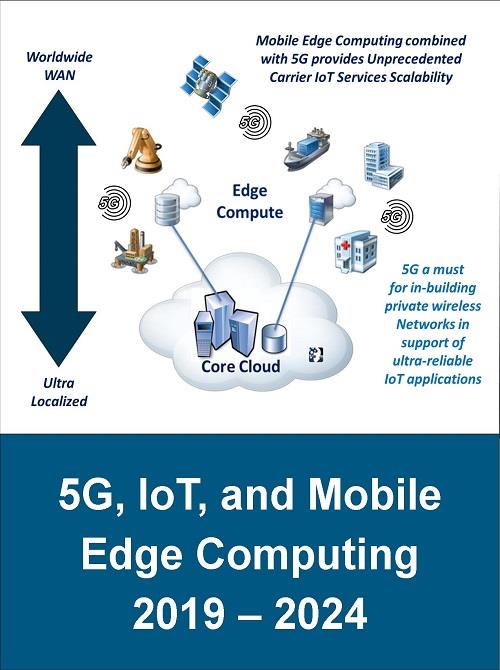
- Edge computing integration: Because latency is low and connectivity high, moving computation closer to the user (edge) becomes viable, helping apps offload heavy tasks from the device and cloud. (MoldStud)
These capabilities translate into both improved versions of existing apps and entirely new categories of applications.
How 5G Is Impacting Mobile Apps
1. Enhanced Performance & Experience
With faster speeds and lower latency, apps can become more responsive, richer in content, and less constrained by network limits. For example:
- Video‑streaming apps can offer 4K/8K resolution on mobile without buffering. (Differ)
- Gaming apps (especially multiplayer cloud‑based) can deliver smoother real‑time gameplay on mobile. (Syngrid)
- Download and update times drop considerably; large assets or files can be fetched quickly. (GeeksforGeeks)
2. New Types of Apps & Features
5G enables apps that were previously difficult or impractical on mobile networks:
- Augmented Reality (AR) / Virtual Reality (VR) apps become more practical on mobile as latency and bandwidth improve. (Business of Apps)
- Cloud‑gaming and streaming of heavy graphics: Mobile devices can effectively stream high‑end gaming or interactive content without needing high‑end GPUs locally.
- IoT & smart device apps: With support for many connected devices, mobile apps can act as hubs for smart homes, wearables, connected vehicles, smart‑city sensors. (Medium)
- Edge & real‑time processing apps: Apps that require ultra‑fast decision making (remote surgery, industrial control, autonomous vehicles) become more feasible. (Medium)
3. Changed Business & Monetisation Models
Because of 5G’s capabilities, businesses and app makers can explore new revenue and engagement models:
- Premium experiences: High‑bandwidth features (e.g., AR try‑ons, live VR events) that users may pay extra for.
- Subscription models for real‑time/cloud heavy apps: e.g., cloud gaming, live interactive services.
- Data‑driven personalization: With the ability to stream more data in real time, apps can deliver richer personalization and adaption.
- Massive‑device ecosystems: Apps that connect to many devices (IoT) can build ecosystems rather than stand‑alone apps.
4. Developer & Architecture Implications
Developers and app teams must adapt:
- Focus on network‑aware features: apps should detect 5G vs 4G and adjust feature sets accordingly to maximise user experience.
- Leverage edge computing and offload heavy work from mobile devices to edge servers or cloud. (MoldStud)
- Design for real‑time interactions and low latency workflows rather than batch‑driven ones.
- Optimize for device heterogeneity: Not all users will have 5G devices or coverage—so backward‑compatibility with 4G remains essential.
- Consider security & privacy: More connected devices + heavier data flows = more attack surface. (Differ)
Key Challenges to Overcome
While 5G offers tremendous promise, there are practical obstacles and things to consider:
- Coverage & variability: 5G rollout is ongoing; many users still rely on 4G or mid‑band 5G. Apps must still perform well on less‑capable networks.
- Device fragmentation: Not all users have 5G‑capable devices or optimal network conditions.
- Battery & heat concerns: Using the high‑speed network and advanced features can drain battery or increase device heat unless optimized. (quytech.com)
- Monetisation uncertainty: Just because you can build high‑end features doesn’t mean users will pay for them. Business models still need validation.
- Security & privacy: With large data flows and many devices connected, risks multiply. Apps must design for secure data flows and manage new threats.
- Network & infrastructure dependency: Some features rely on network slicing or edge computing support from operators, which may not yet be universally available. (The Verge)
What to Watch Going Forward
- The expansion of stand‑alone 5G networks (5G SA) and network slicing will unlock more advanced app features and service models.
- Growth of edge computing + mobile apps: As edge infrastructure grows, apps will offload heavy work to nearby compute nodes rather than cloud or device alone.
- Increasing AR/VR use‑cases on mobile as the network and device ecosystem matures.
- More IoT‑centric mobile apps integrating wearables, smart‑home, vehicle/connected devices through mobile interfaces.
- New ecosystem partners: mobile operators, device makers, app makers, cloud/edge providers collaborating on service offerings (e.g., premium “5G‑experience” bundles).
Final Thoughts
5G is more than just a faster mobile network—it’s a platform shift for mobile apps. It elevates what’s possible, pushes developers to rethink capabilities, and opens up new business models. For app creators, the key question is not “Will we use 5G?”, but “How will we design for, leverage and differentiate in a 5G‑enabled world?”
If your roadmap includes richer media, real‑time interactions, device ecosystems or immersive experiences, then 5G isn’t just relevant—it’s essential.