AI‑Powered Coaching: Can Robots Make You Smarter?
In recent years, artificial intelligence (AI) has made remarkable strides — from generating text and images to powering autonomous vehicles. But a particularly intriguing frontier is AI‑powered coaching: using intelligent systems to support, guide, and even challenge human learners, professionals, or individuals seeking personal growth. The big question: can robots make you smarter? The answer is: perhaps — but with nuance.
What We Mean by “AI Coaching”
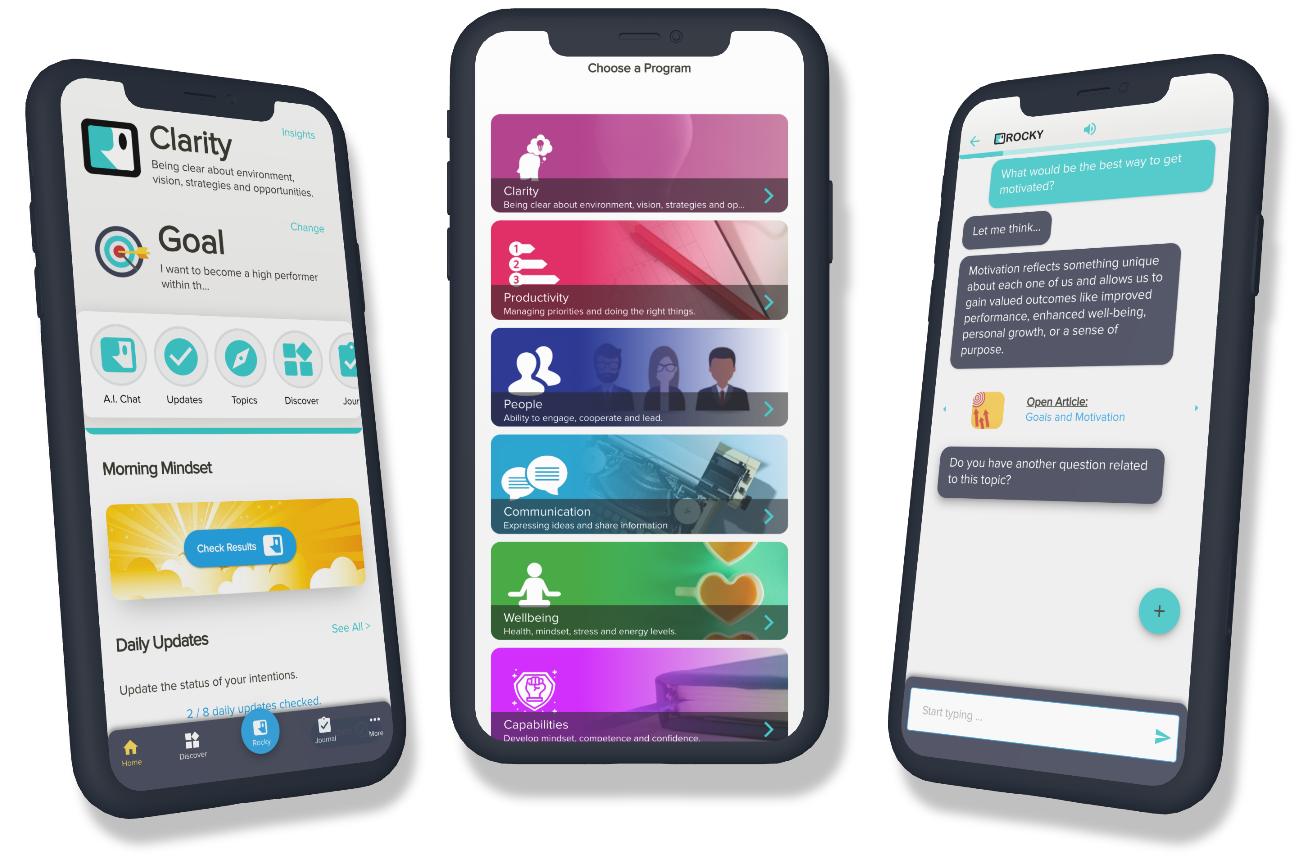
AI coaching refers to systems that use machine learning, natural language processing (NLP), data analytics, and often user‑interaction interfaces (chatbots, prompts, apps) to assist in a coaching or mentoring role. It might look like:
- A personalized app that guides you through career development goals
- A platform that gives you feedback on your public speaking or leadership style
- An educational tutor that adapts to your pace, gives real‑time feedback and tracks progress
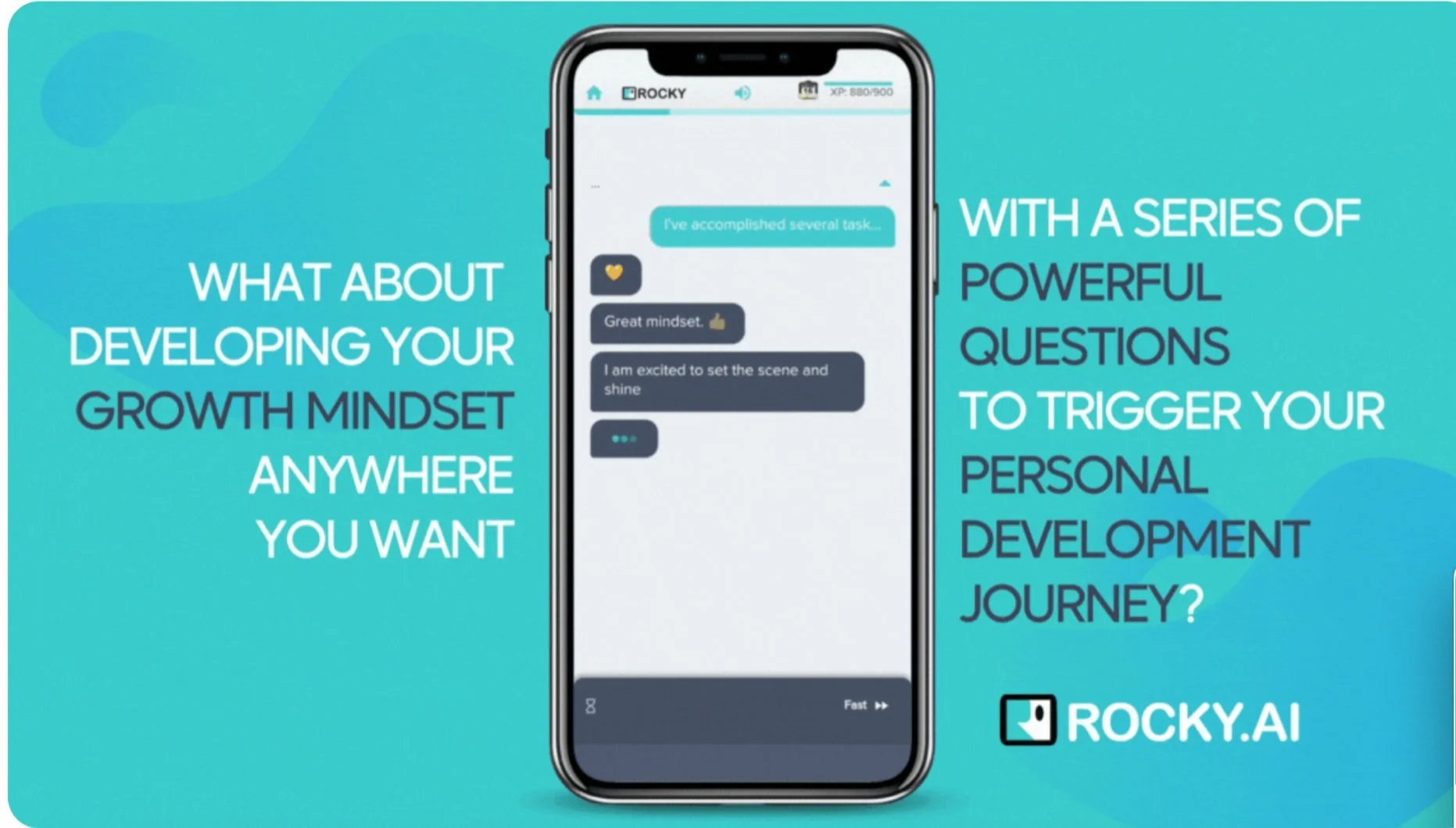
- A mental‑wellness or life‑coaching companion that prompts reflection and growth
These systems augment—rather than entirely replace—human coaches. Studies show that human‑AI hybrid models are especially promising. (arXiv)
Why AI Coaching Is Gaining Traction
1. Scalability & Accessibility
Human coaching is expensive and limited in availability. AI systems can reach many more people, at lower cost, at any time. For example, statistics show: 45% of coaching clients prefer AI‑assisted sessions; 55% feel more satisfied when AI is part of their coaching. (ZipDo)
2. Personalization and Real‑Time Feedback
AI can leverage data about the individual—performance metrics, behavior, responses—to tailor coaching to their specific needs. Platforms delivering real‑time feedback allow users to correct course quickly. (YourStory.com)
3. Data‑Driven Insights
AI can track what human coaches often miss: patterns over many sessions, subtle behavior changes, timing of feedback, which strategies yield results. Coaches using AI tools report better reflection and guidance. (Edthena)
4. Integration with Daily Life
Unlike scheduling occasional sessions, many AI coaching tools are embedded in apps and can interact with users daily or even hourly—encouraging ongoing growth rather than episodic bursts.
Areas Where AI Coaching Is Already Being Used
- Education & Tutoring: Adaptive learning systems and virtual tutors helping students learn at their pace. (arXiv)
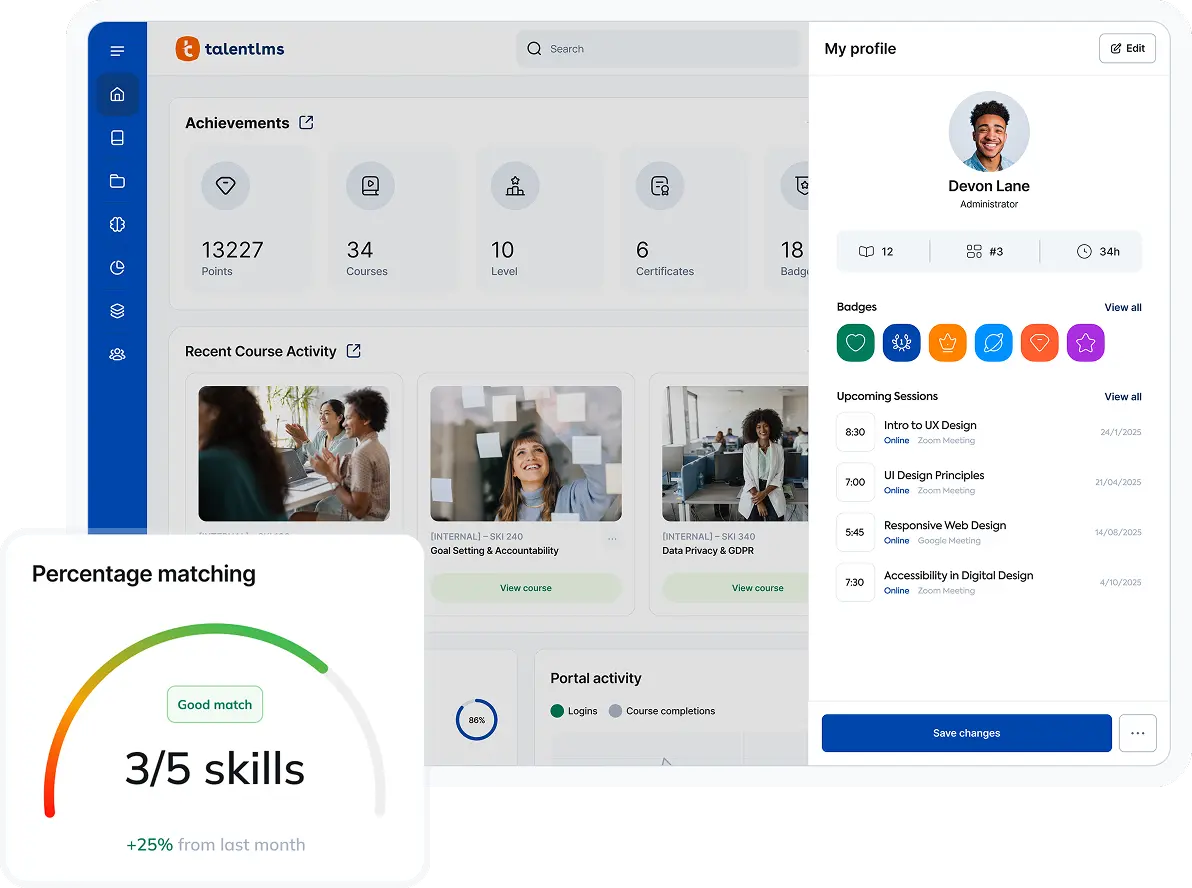
- Professional Development: Coaching tools for teachers, leaders, managers—platforms that assist with feedback, goal‑setting and mentorship. (The AI Journal)
- Life / Wellness Coaching: Apps that prompt reflection, set goals, monitor habits, and provide guidance.
- Skill‑Based Coaching: Public speaking, leadership, language learning—areas where practice + feedback matter.
Can Robots Really Make You Smarter?
Short answer: yes—but with caveats.
✅ What they can do well
- Provide consistent feedback when human coaches are unavailable
- Track progress over time and detect patterns invisible to humans
- Scale coaching to more people, democratizing access
- Offer personalized pathways using data: pacing, goals, content
- Reduce costs and make coaching more affordable
⚠️ What they still struggle with
- Human empathy, nuance & judgement: Emotional intelligence, context awareness, real‑world nuance are still stronger in humans
- Creativity and insight: Many coaching breakthroughs come from human connection, experience, intuition
- Dependence / over‑automation risk: If the system gives everything away, users may become passive rather than actively learning
- Data privacy & bias: Coaching requires sensitive data; AI systems may reflect biases or incorrect assumptions
- Motivation & human accountability: Coaching works best when humans commit, reflect, act—not just passively receive feedback
What to Look For When Choosing an AI Coaching Tool
- Does the tool track progress and adapt over time?
- Is there a human‑in‑the‑loop option (mentor + AI)?
- Are goals and feedback actionable, not just generic?
- Is user data treated ethically, securely and transparently?
- Does the platform encourage active learning (you do the work) rather than passive consumption?
- Is the domain relevant: skill‑based, knowledge‑based, behavior‑based? Some work better than others.
The Future: What’s Next for AI Coaching
Looking ahead:
- Multimodal coaching: Video/audio + AI analysis of body language, tone, engagement.
- Emotion‑aware coaching: AI that detects mood, motivation, frustration, and adjusts accordingly.
- Hybrid models: AI coaches assisting human coaches, making them more effective and scaling their impact.
- Lifelong coaching companions: AI systems that follow you across career, skills, personal growth.
- Ethical frameworks & transparency: As AI coaching becomes common, standards around privacy, fairness, explainability will matter more.
Final Thoughts
AI‑powered coaching is not a magic pill—but it is a powerful amplifier. If you engage actively, reflect, act, and use the system rather than rely on it passively, it can help you learn faster, practice smarter, and achieve more. But the human element—mindset, effort, curiosity—remains essential.
So can robots make you smarter? Yes—if you do the work. AI can point the way, track your journey, and give feedback. But you still need to walk the path.