
Here’s a detailed English‑language blog post about several of the most popular AI tools and how businesses and individuals can use them effectively.
Top AI Tools Gaining Traction — What They Do & Why They Matter
Artificial intelligence is no longer just for research labs — it’s rapidly becoming part of everyday workflows, from creative work to business operations. Below I spotlight five widely‑used AI tools, summarise their key features, and explain how you can leverage them.
1. ChatGPT (by OpenAI)

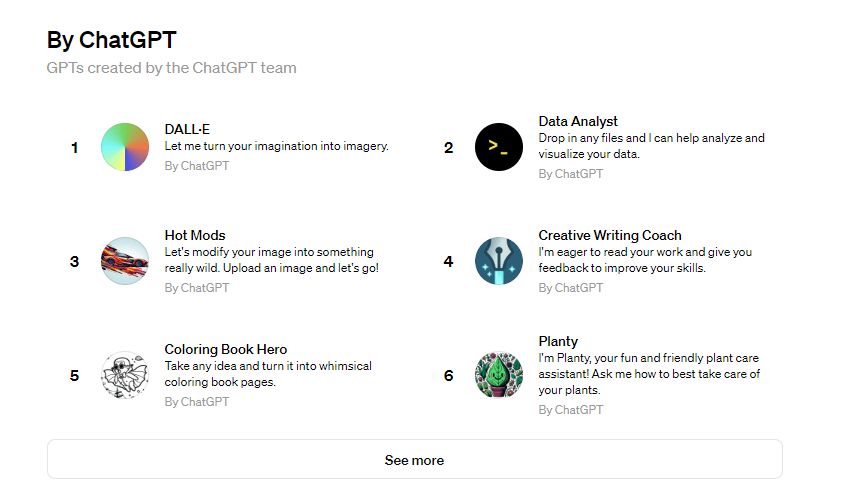

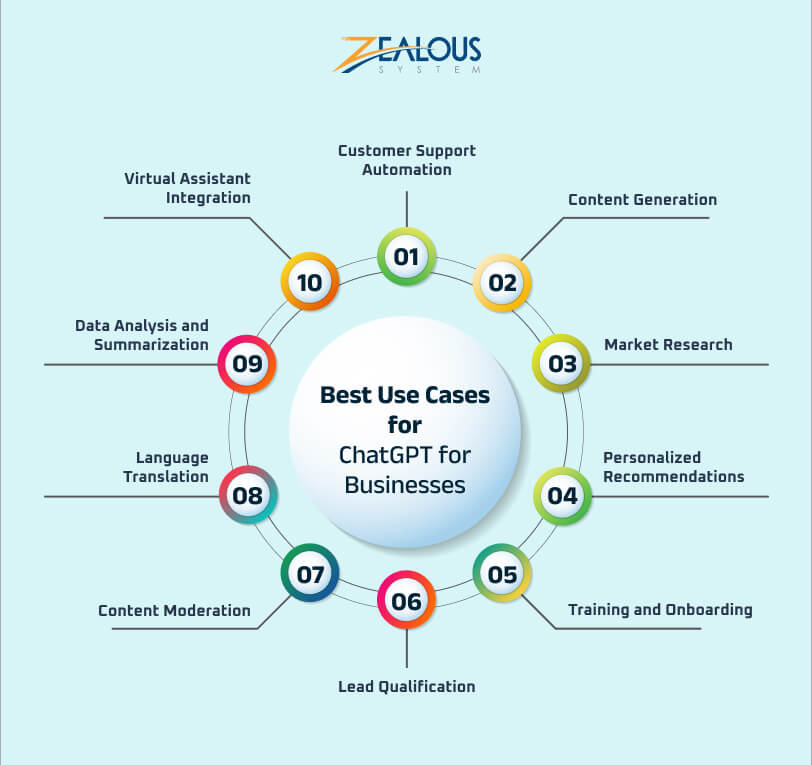
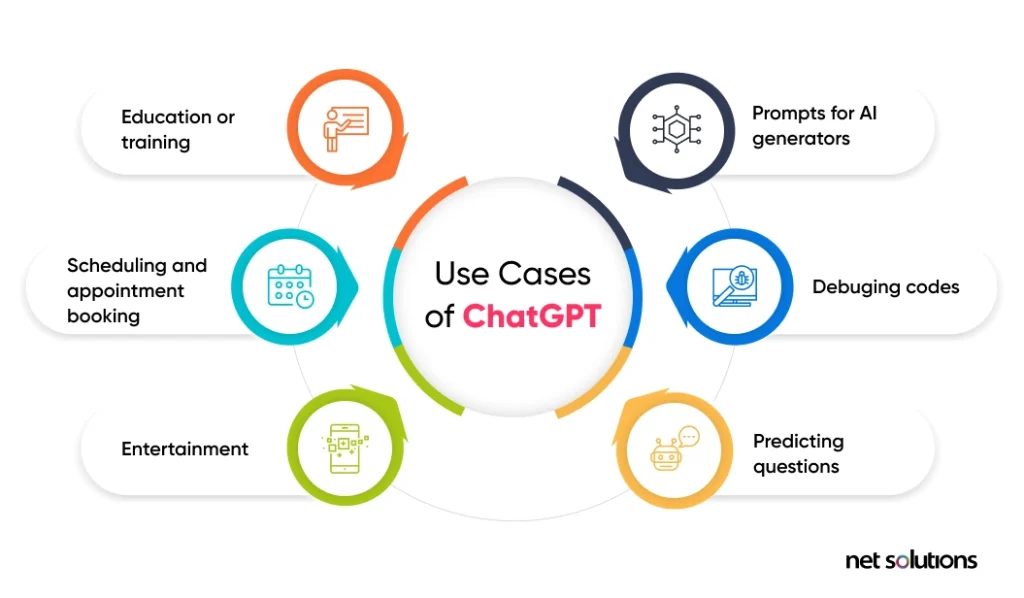
What it is: ChatGPT is a general‐purpose conversational AI tool that uses large language models to generate text, answer questions, assist with coding, summarise content, and more. (Vikipedi)
Why it’s popular: According to one ranking, ChatGPT accounted for ~82.5 % of web traffic among 40 generative AI tools analysed. (Visual Capitalist)
Key use cases:
- Customer service/chatbots responding to user queries
- Content creation (blogs, marketing copy, scripts)
- Helping developers generate or review code
- Brainstorming ideas or summarising large volumes of text
Tips for use: - Define clear prompts: the better the prompt, the better the output
- Use “system” or “role” instructions to set tone/format
- Review and edit the output—AI can make mistakes or produce plausible but incorrect info
- Use in tandem with human oversight for critical tasks
2. Canva (with AI‑features)
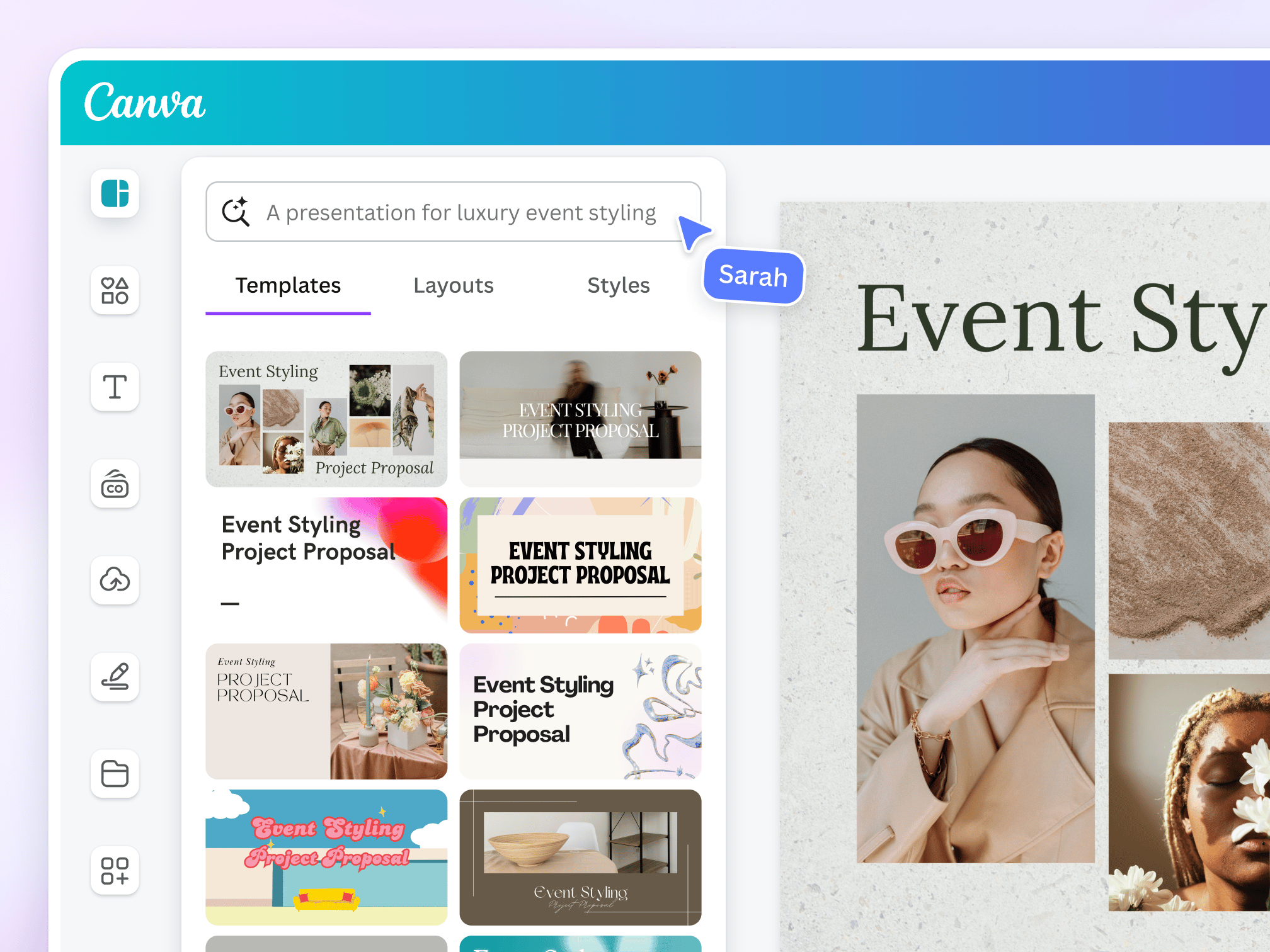
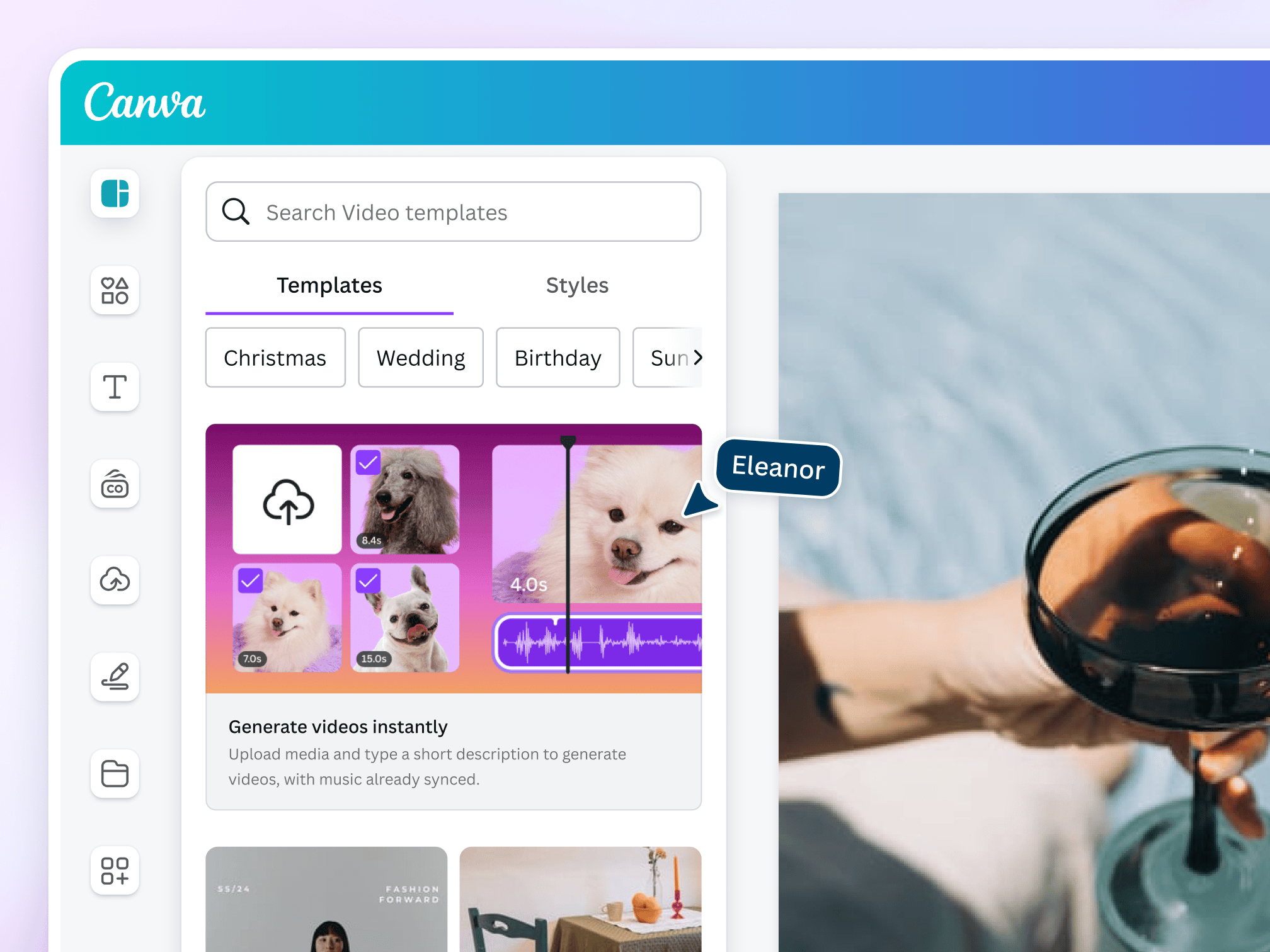
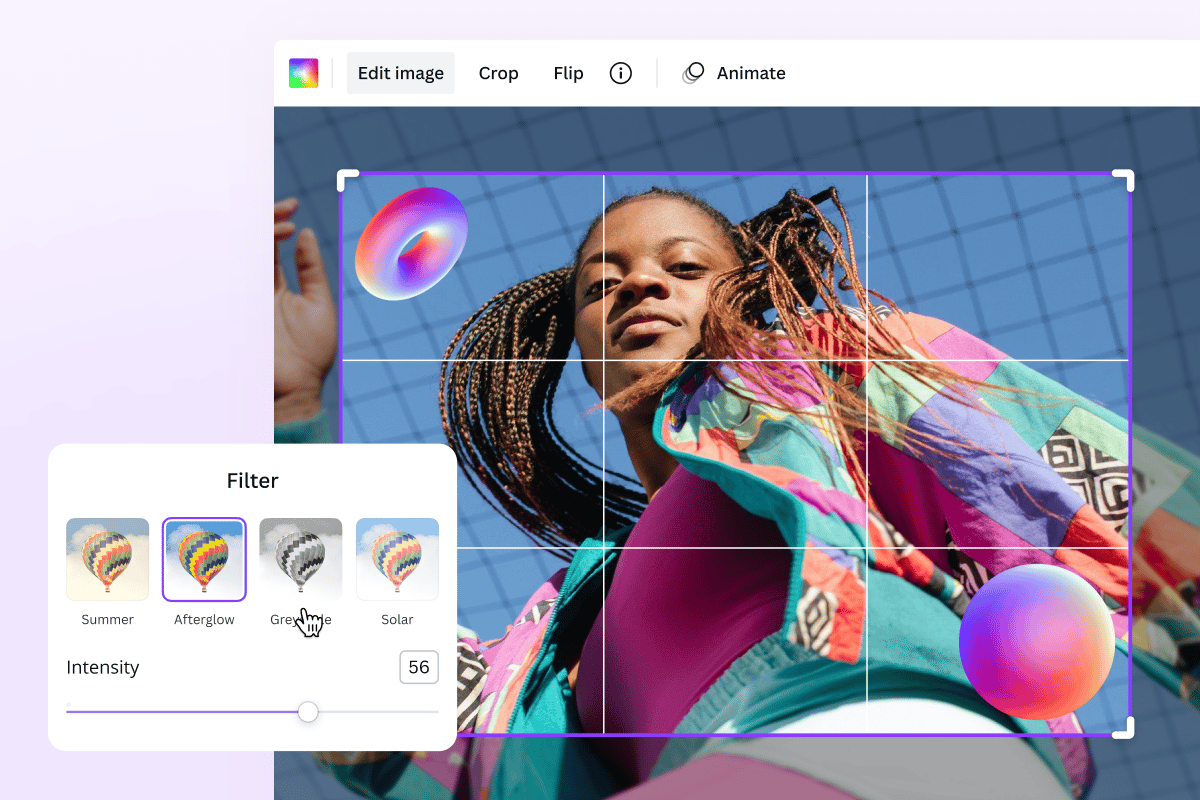
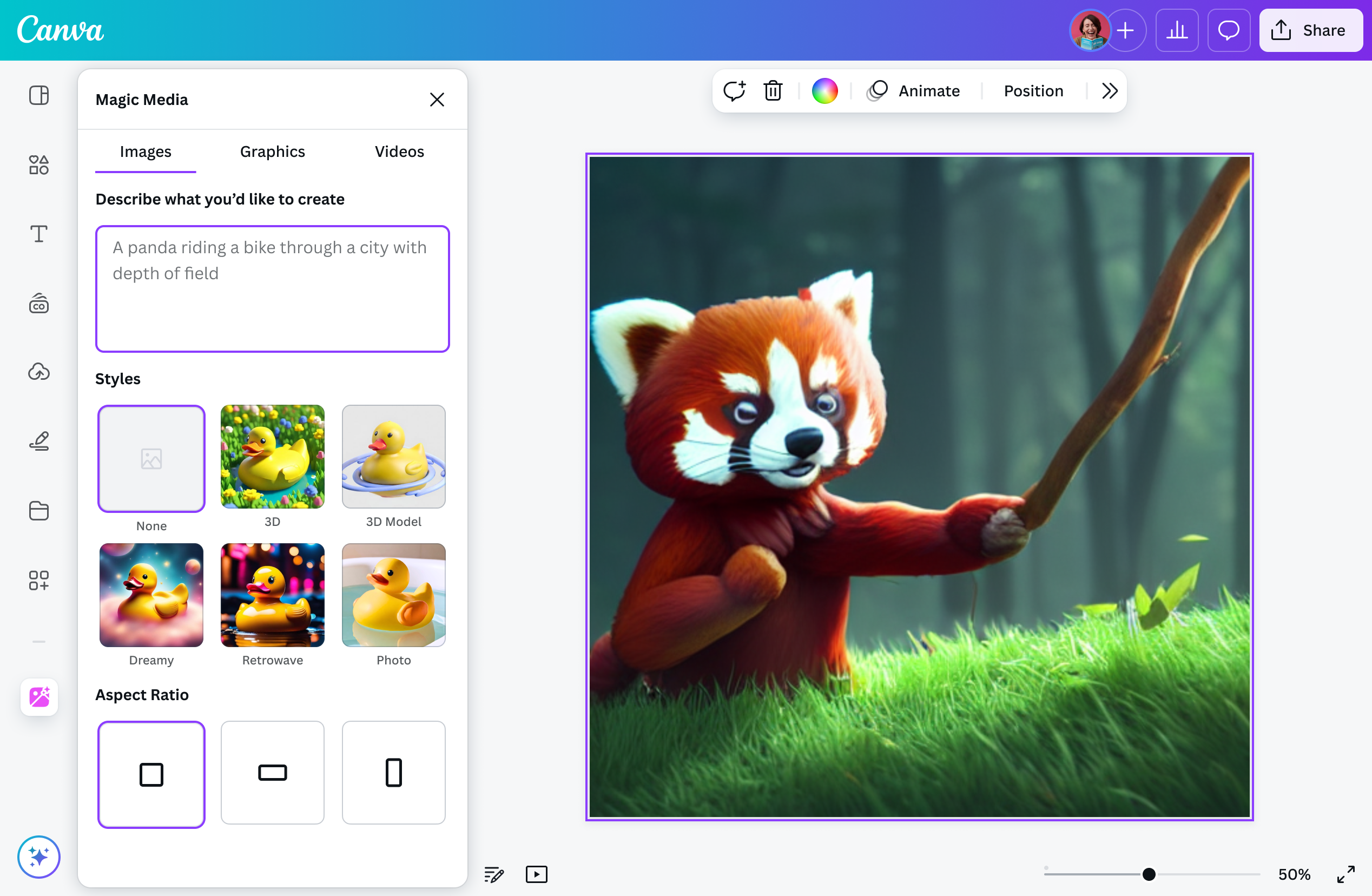
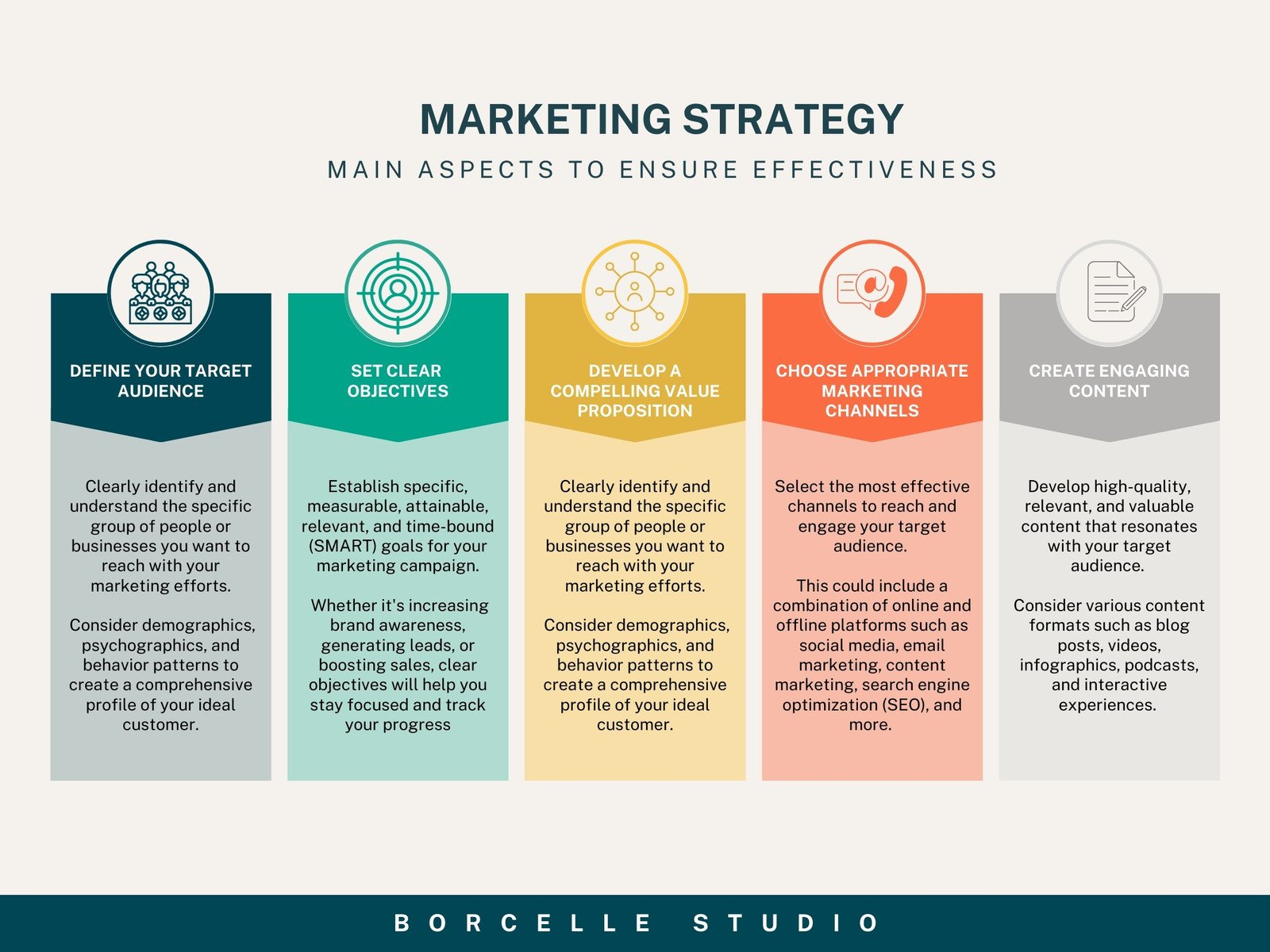

What it is: While originally a graphic design tool, Canva incorporates AI features (e.g., image generation, smart templates) and has become frequent in “popular AI tools” lists. (Exploding Topics)
Why it’s popular: Its ease of use and appeal to non‑designers makes it accessible for marketing teams, small businesses, and creators who need visuals quickly.
Key use cases:
- Generating marketing visuals or social media posts
- Creating quick presentations or reports with built‑in style/brand consistency
- Using AI to generate backgrounds or design elements
Tips for use: - Leverage templates to maintain brand consistency
- Use the AI image generation for concept art, then refine manually
- Be mindful of licensing if you generate or use images commercially
3. DeepL

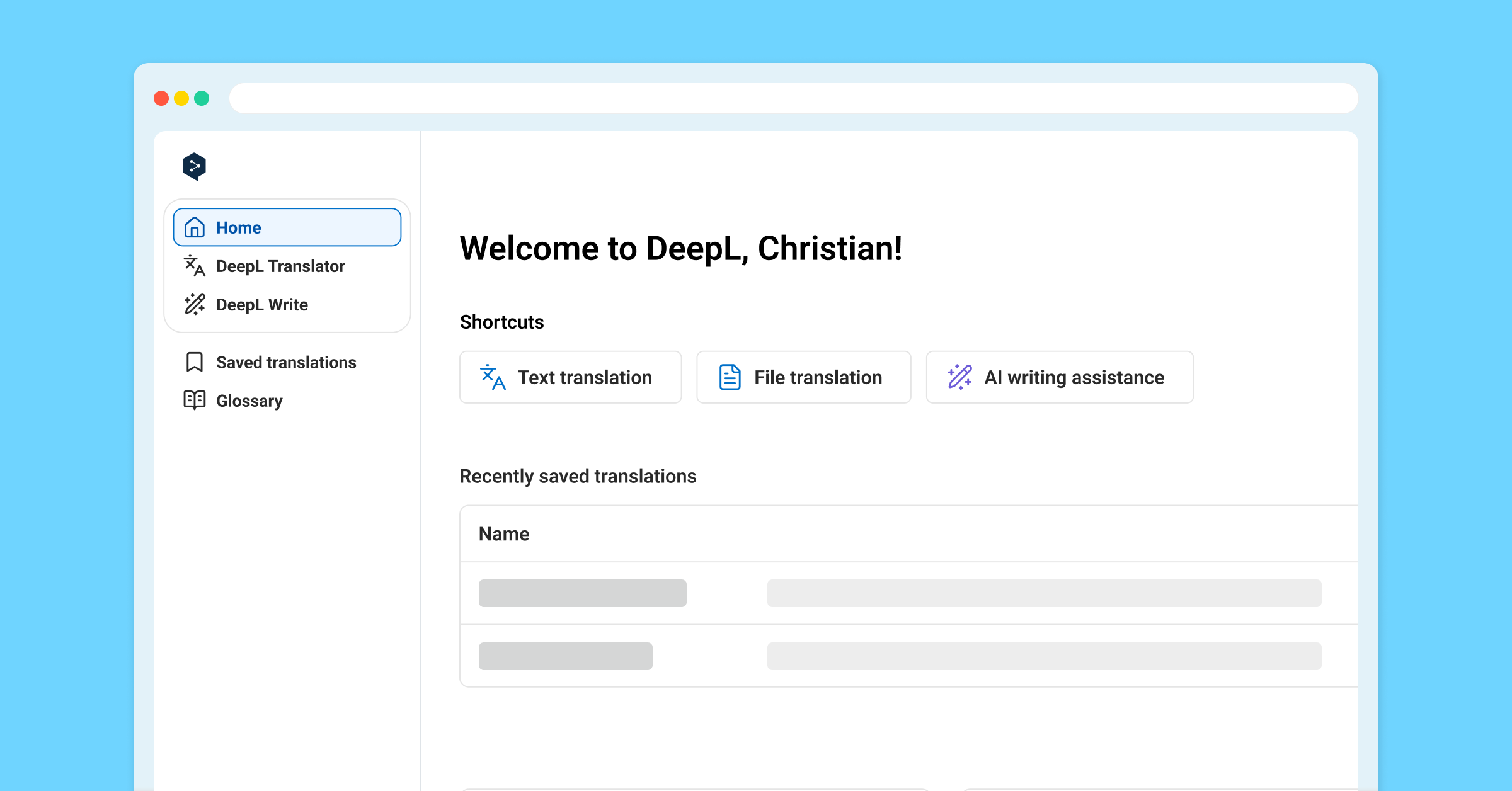


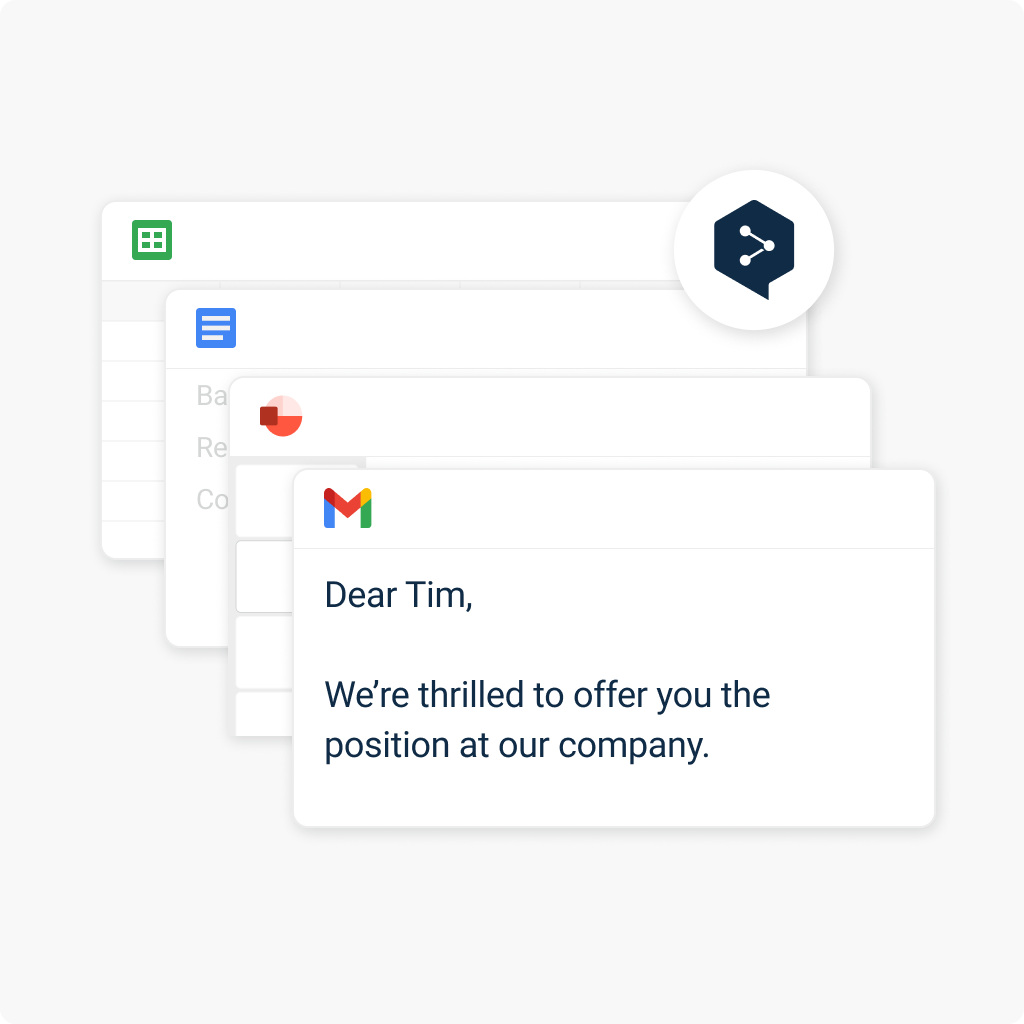
What it is: DeepL is an AI‑powered translation and writing‑assistance tool known for high‑quality language translation and rewriting. It’s featured among the most used tools in recent rankings. (DataGlobeHub)
Why it’s popular: For multilingual communication, content localisation, and rewriting text, DeepL offers a combination of speed and accuracy.
Key use cases:
- Translating business documents, websites, marketing copy
- Improving writing style or rewriting content for clarity
- Localising content for different markets
Tips for use: - Review translations with native speakers especially for regional dialects or cultural nuance
- Use DeepL for rewriting to improve readability or adapt tone
- Combine with human review for important legal/technical content
4. Google Gemini


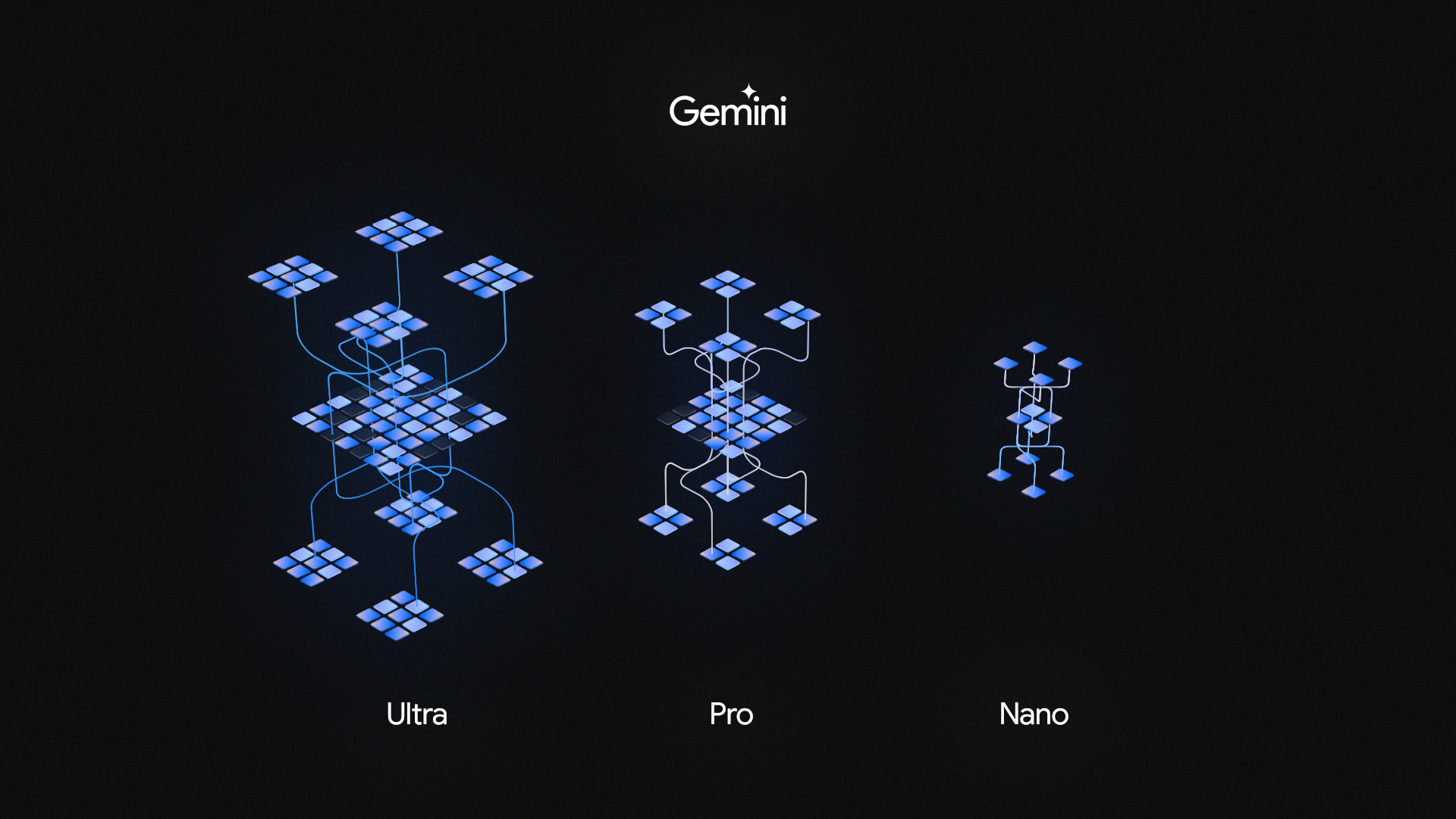

What it is: Google’s generative AI model/assistant offering multimodal capabilities (text, image, reasoning) integrated into the Google ecosystem. It appears high in popularity rankings. (Visual Capitalist)
Why it’s popular: Given Google’s ecosystem reach (Search, Workspace, Android), Gemini has the potential for broad integration across productivity and consumer tools.
Key use cases:
- Assisting in content search and summarisation
- Supporting productivity tasks (e.g., within Google Docs, Sheets)
- Multimodal tasks combining text + image inputs
Tips for use: - Explore how Gemini integrates into your existing tools (if you use Google Workspace)
- Take advantage of multimodal features (e.g., supplying an image + text prompt)
- Guard against over‑reliance: check results, especially for business/critical use
5. Midjourney

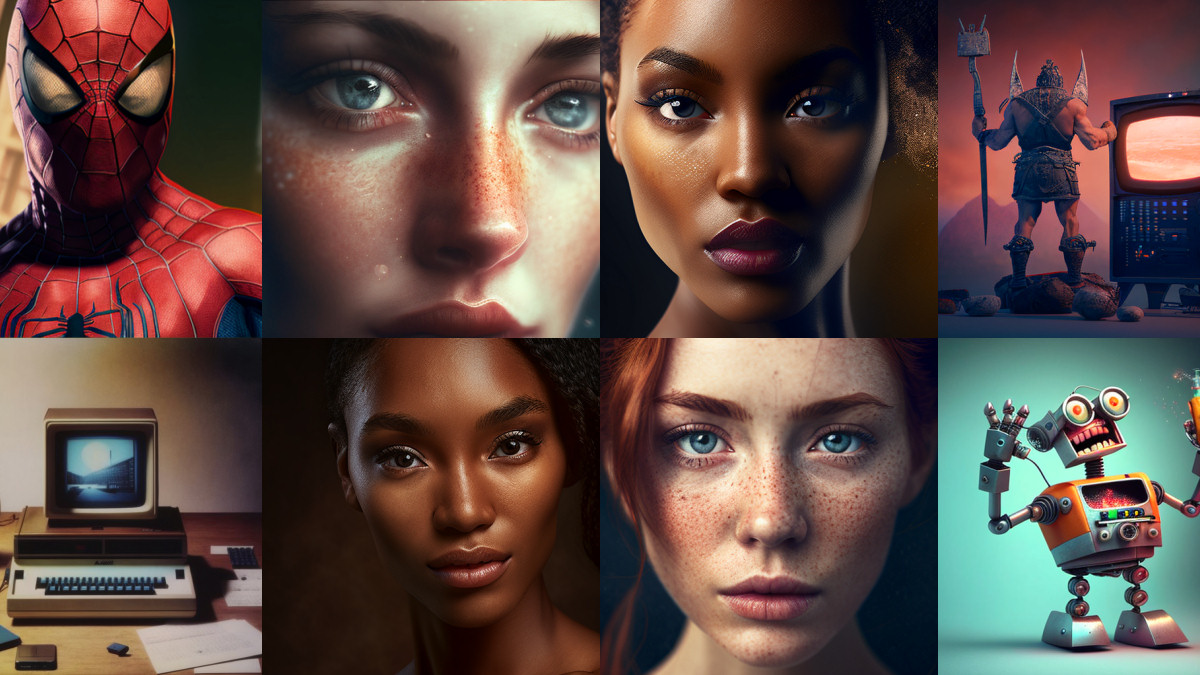
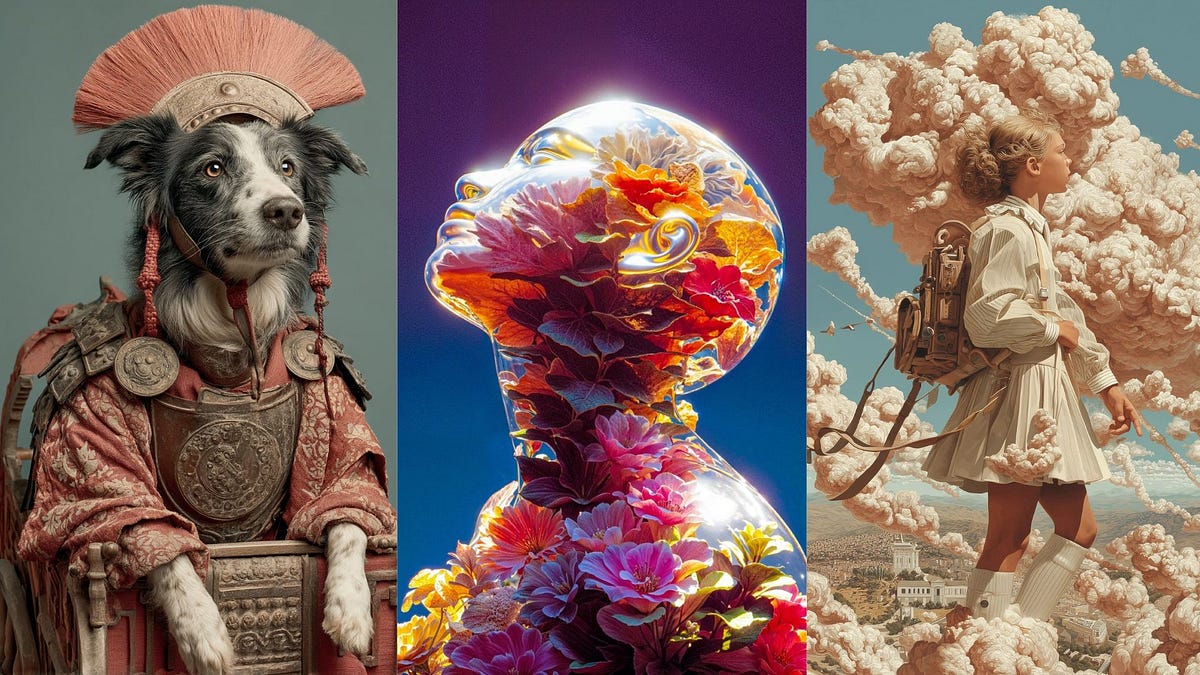
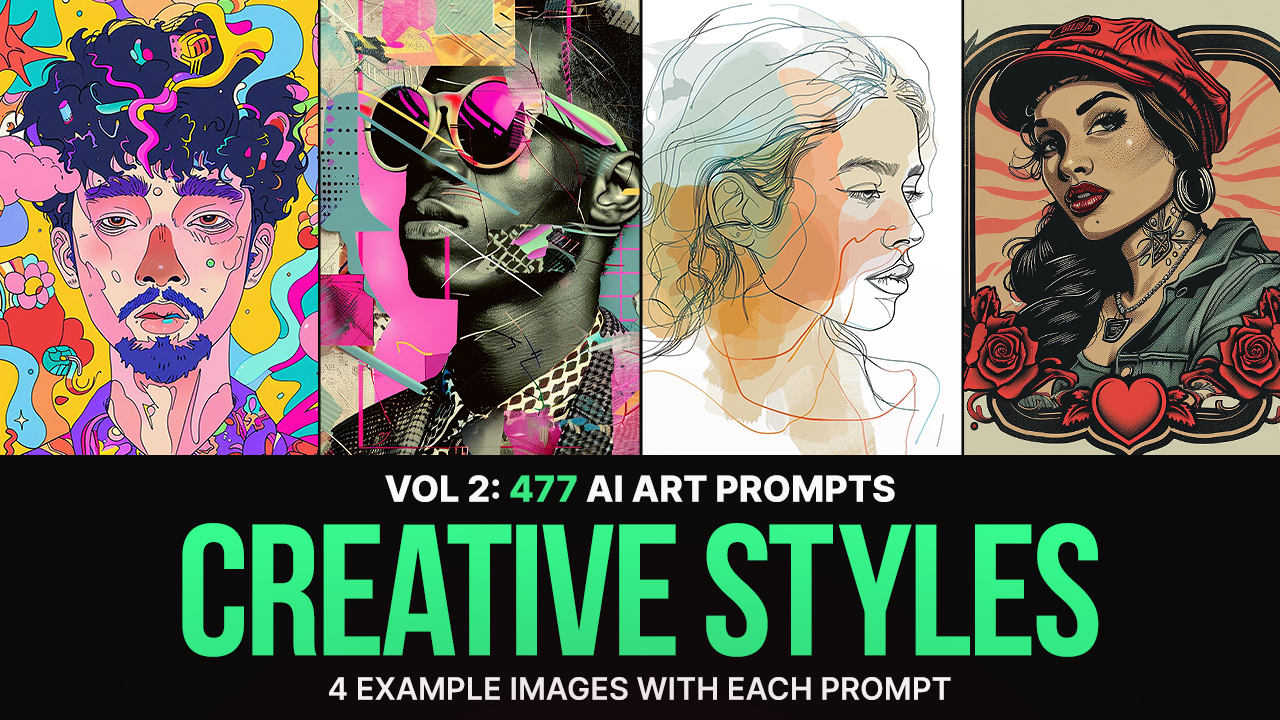

What it is: Midjourney is a text‑to‑image generative AI tool, popular for creating creative visuals from prompts. (AI Tools Up)
Why it’s popular: For marketers, designers, content creators and artists who want fast creative visuals without needing full graphic‑design expertise.
Key use cases:
- Generating concept art, mock‑ups, visuals for blog/social media
- Rapid prototyping of image ideas before final manual design
- Inspiration tool for creative brainstorming
Tips for use: - Craft detailed prompts (lighting, mood, composition) for better results
- Respect copyright/licensing of output if using commercially
- Use the generated image as a base and refine further in design software if quality demands are high
Why Know These Tools — And How to Choose
- Popularity = validation but not guarantee: These tools show up in traffic/popularity rankings (e.g., ChatGPT dominates with billions of visits) (Visual Capitalist)
- Fit to your use case matters more than hype: A tool that’s popular for writing (ChatGPT) may not be best for image generation (Midjourney) and vice versa.
- Integration with your workflow: Consider whether a tool connects with your existing tools (e.g., Google Workspace, design platforms, CRM, etc.).
- Cost, licensing and privacy: Free versions might have limitations; commercial use often requires paid license or specific rights.
- Human oversight is still essential: Even the best AI outputs should be reviewed—whether for accuracy, bias, creativity or compliance.
Final Thoughts
AI tools are evolving fast and are no longer niche experiments — they’re becoming essential parts of business operations, creativity and productivity. Tools like ChatGPT, Canva, DeepL, Gemini and Midjourney each offer distinct strengths and can complement one another. The key is to identify the workflows you want to improve, choose the right tools, and blend human expertise with AI capability.
As you explore these tools, keep in mind that the pace of change is high: new features, new tools, and new use cases emerge all the time. Staying informed and flexible will help you stay ahead of the curve.
If you’d like, I can expand this blog post into a longer‑form article (e.g., 1,200–1,500 words) with meta description, SEO keywords, and sub‑sections for each tool. Would you like me to do that?